
Bureau Report | law | Khajuraho, Madhya Pradesh, India
NTWB Chairman Shri Sunil J. Singhi Highlights ‘Local to Global’ Vision, GST Reforms & Ease of Doing Business as State Government Organizes Khajuraho Trade Welfare Meet; FITIG Association Empowers Dialogue .
Introduction
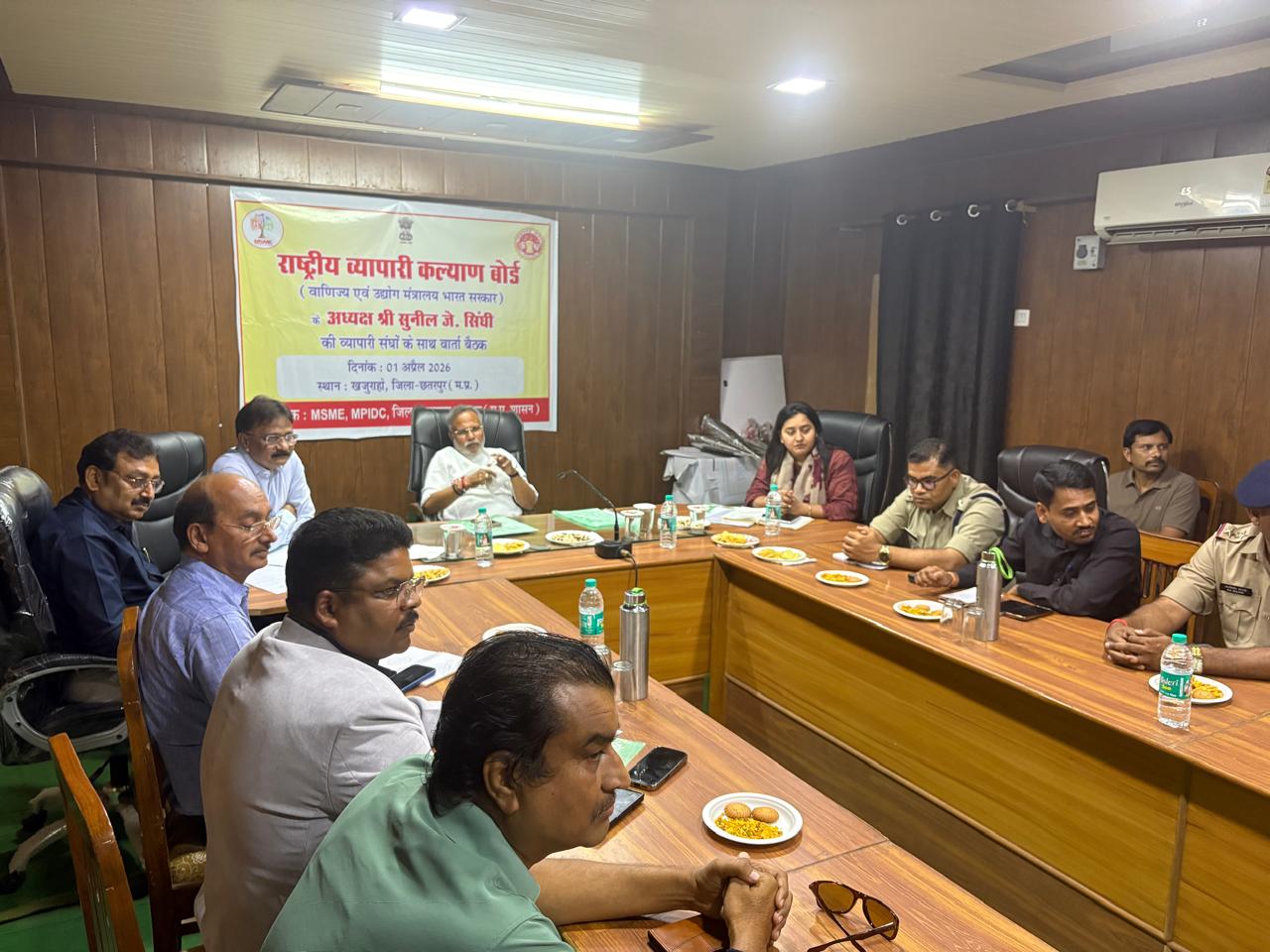
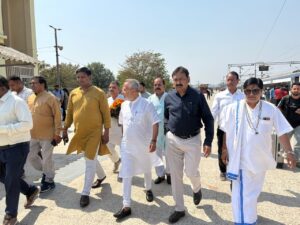
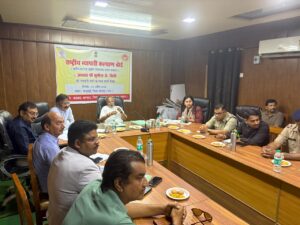
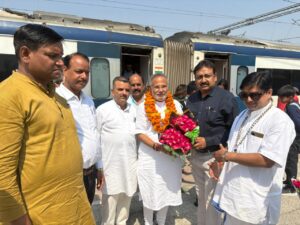
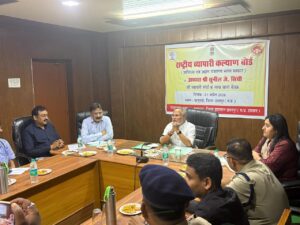
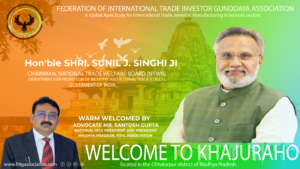
In a significant move to boost trade and commerce in India, NTWB Chairman Shri Sunil J. Singhi has advocated for a ‘local to global’ trade vision, with a focus on GST reforms and ease of doing business. This vision aims to promote local businesses and entrepreneurs, while also making it easier for them to access global markets. In this article, we will explore the background, legal framework, judicial observations, implications, and expert perspectives on this issue. A significant consultative meeting dedicated to the welfare of traders, entrepreneurs, and industrialists was organized by the Madhya Pradesh government at the Nagar Palika Parishad auditorium in Khajuraho. The Federation of International Trade & Investors Association (FITIG) – Gunodaya played a pivotal role in empowering the dialogue, ensuring that the concerns of the local business community were effectively articulated. The event witnessed the presence of Shri Sunil J. Singhi, Chairman of the National Trade Welfare Board (NTWB) , alongside key administrative and legal figures, including Adv. Santosh Gupta, National Vice President and Madhya Pradesh President of FITIG.
Background
The Goods and Services Tax (GST) was introduced in India in 2017, with the aim of simplifying the taxation system and promoting economic growth. However, the implementation of GST has been plagued by challenges, including complexity, lack of clarity, and administrative issues. The ease of doing business in India has also been a major concern, with the country ranking 63rd in the World Bank’s Ease of Doing Business Index 2020. The state government’s initiative aimed to disseminate detailed information on the policies and welfare measures being undertaken by both the central and state governments for the benefit of the trading community. Shri Sunil J. Singhi, Chairman of the National Trade Welfare Board (NTWB) , provided a comprehensive overview of the central government’s efforts to stabilize the economy amidst global trade tensions and tariff wars. He highlighted the strategic decision to maintain stable prices of essential commodities like diesel and petrol, thereby shielding traders and the public from global volatility.
Challenges in GST Implementation
One of the major challenges in GST implementation has been the complexity of the tax structure. The GST law has multiple rates, exemptions, and compliance requirements, which have made it difficult for businesses to understand and comply with the law. Additionally, the lack of clarity on certain provisions has led to confusion and disputes.
Main Analysis
FITIG’s Empowering Role & Adv. Santosh Gupta’s Legal Interventions
FITIG acted as a catalyst in this state-organized dialogue, empowering traders to voice their concerns directly to policymakers. Adv. Santosh Gupta brought critical attention to the GST-related compliance issues faced by local businesses and urged for the formation of district-level trade committees to facilitate smoother legal and procedural resolutions. He emphasized that FITIG is committed to advocating for trader-friendly policies and actively collaborating with the state government to bridge the gap between policy and implementation.
A landmark revelation during the session was that Madhya Pradesh has become the first state in India to implement Faceless Assessment and Appeals under the GST reform framework, effective from April 1. Adv. Gupta highlighted this as a monumental shift in tax jurisprudence, promoting transparency and reducing the scope for discretionary litigation. Shri Sunil J. Singhi, Chairman of the National Trade Welfare Board (NTWB) , lauded this reform, noting that such legal advancements align with the broader vision of improving the ease of doing business and building trader confidence.
Institutional Framework & State Government’s Proactive Approach
Shri Sunil J. Singhi elaborated on the functioning of the National Trade Welfare Board (NTWB) , which coordinates with nine central government departments to address trader grievances. He announced the constitution of District-Level Boards to ensure that the benefits of central policies reach local markets efficiently. Reinforcing the state government’s commitment, Mr. Pratul Chandra Sinha, Executive Director of MPIDC, informed that the Madhya Pradesh government is in the process of establishing its own State Traders Welfare Board. He also highlighted the success of the Regional Industry Conclave concept initiated by Chief Minister Dr. Mohan Yadav—a model now being adopted by other states—which reflects the state’s dedication to decentralized industrial growth.
Ease of Doing Business & the ‘Local to Global’ Vision
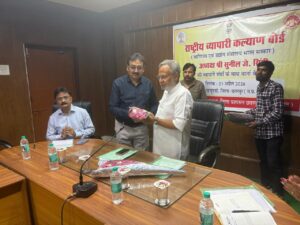
Shri Sunil J. Singhi underscored the government’s focus on Ease of Doing Business, detailing efforts to repeal unnecessary laws and reduce the number of licenses and permits required to start and operate businesses. He reiterated that the vision of ‘Local to Global’ is central to India’s economic strategy, enabling local entrepreneurs to scale their operations globally. In this context, the role of associations like FITIG in empowering such dialogues and facilitating constructive feedback between traders and the government becomes indispensable.
Local Grievances, Urban Compliance, and Administrative Assurance
The meeting also addressed practical urban governance issues. A local entrepreneur requested the formation of a furniture cluster and regular monthly meetings with the MSME department for updates on government schemes. Mr. Gunjan Jain, General Manager of the District Trade and Industry Center, Chhatarpur, assured prompt action. SDM Rajnagar, Ms. Visha Madhavani, appealed to traders to avoid encroachment and cooperate with the administration on cleanliness drives—a legal and civic compliance issue echoed by Shri Sunil J. Singhi, who stressed that sustainable business growth requires adherence to urban regulations.
The gathering concluded with a consensus on the positive impact of ongoing policy and legal reforms. The state government’s initiative, combined with the empowering support of FITIG and the legal expertise of Adv. Santosh Gupta, created a robust platform for meaningful dialogue between traders and policymakers.
Legal Framework
The GST law is governed by the Central Goods and Services Tax Act, 2017, and the Integrated Goods and Services Tax Act, 2017. These laws provide the framework for the taxation of goods and services in India. The GST Council, which is composed of the Union Finance Minister and the Finance Ministers of the states, is responsible for making recommendations on GST rates, exemptions, and compliance requirements.
Judicial Observations
The courts have played an important role in interpreting the GST law and providing clarity on its provisions. In the case of Union of India vs. Delhi High Court Bar Association, the Supreme Court held that the GST law is a complex law that requires careful consideration and interpretation. The court also emphasized the need for the GST Council to provide clarity on the law and its provisions.
Implications of GST Reforms
The implications of GST reforms are significant, as they can have a major impact on the economy and businesses. A simplified and streamlined GST system can promote economic growth, increase tax compliance, and reduce disputes. On the other hand, a complex and unclear GST system can lead to confusion, disputes, and economic stagnation.
Impact/Implications
The ‘local to global’ trade vision advocated by Shri Sunil J. Singhi has significant implications for businesses and the economy. By promoting local businesses and entrepreneurs, the vision aims to increase economic growth, create jobs, and promote innovation. The focus on GST reforms and ease of doing business is also expected to improve the business environment, increase tax compliance, and reduce disputes.
Expert Perspective
Experts have welcomed the ‘local to global’ trade vision, citing its potential to promote economic growth and improve the business environment.
“The ‘local to global’ trade vision is a welcome move, as it aims to promote local businesses and entrepreneurs, while also making it easier for them to access global markets,”
said Dr. Arpita Mukherjee, a professor at the Indian Council for Research on International Economic Relations.
“The focus on GST reforms and ease of doing business is also expected to improve the business environment, increase tax compliance, and reduce disputes.”

Conclusion
In conclusion, the ‘local to global’ trade vision advocated by Shri Sunil J. Singhi has significant implications for businesses and the economy. The focus on GST reforms and ease of doing business is expected to improve the business environment, increase tax compliance, and reduce disputes. As the Indian economy continues to grow and evolve, it is essential to promote policies and initiatives that support local businesses and entrepreneurs, while also making it easier for them to access global markets.
Editorial & Compliance Note: This article reflects publicly available legal information. It does not constitute legal advice. Readers should consult qualified legal professionals. Law Rights Tribune maintains editorial neutrality. This article reflects market commentary and publicly discussed information. It is intended for informational purposes only and does not constitute investment advice or financial recommendation. LawRightsTribune.com maintains editorial neutrality and does not provide economic advisory services or political affiliations.